








Global - English


How to Install and Use a Portable Air Conditioner: A Complete First-Time User Guide
Can't install a wall unit? Maybe you're renting. Maybe your building doesn't allow split-system AC installation. Maybe you just need one room cooled down fast without calling a technician or spending a weekend on installation. Whatever the reason, a portable air conditioner is very likely the answer you're looking for.
This guide walks you through everything — how it works, how to set it up, how to use it efficiently, and how to keep it running well. Whether you just unboxed yours or you're still deciding, you're in the right place.
What Is a Portable Air Conditioner and How Does It Work?
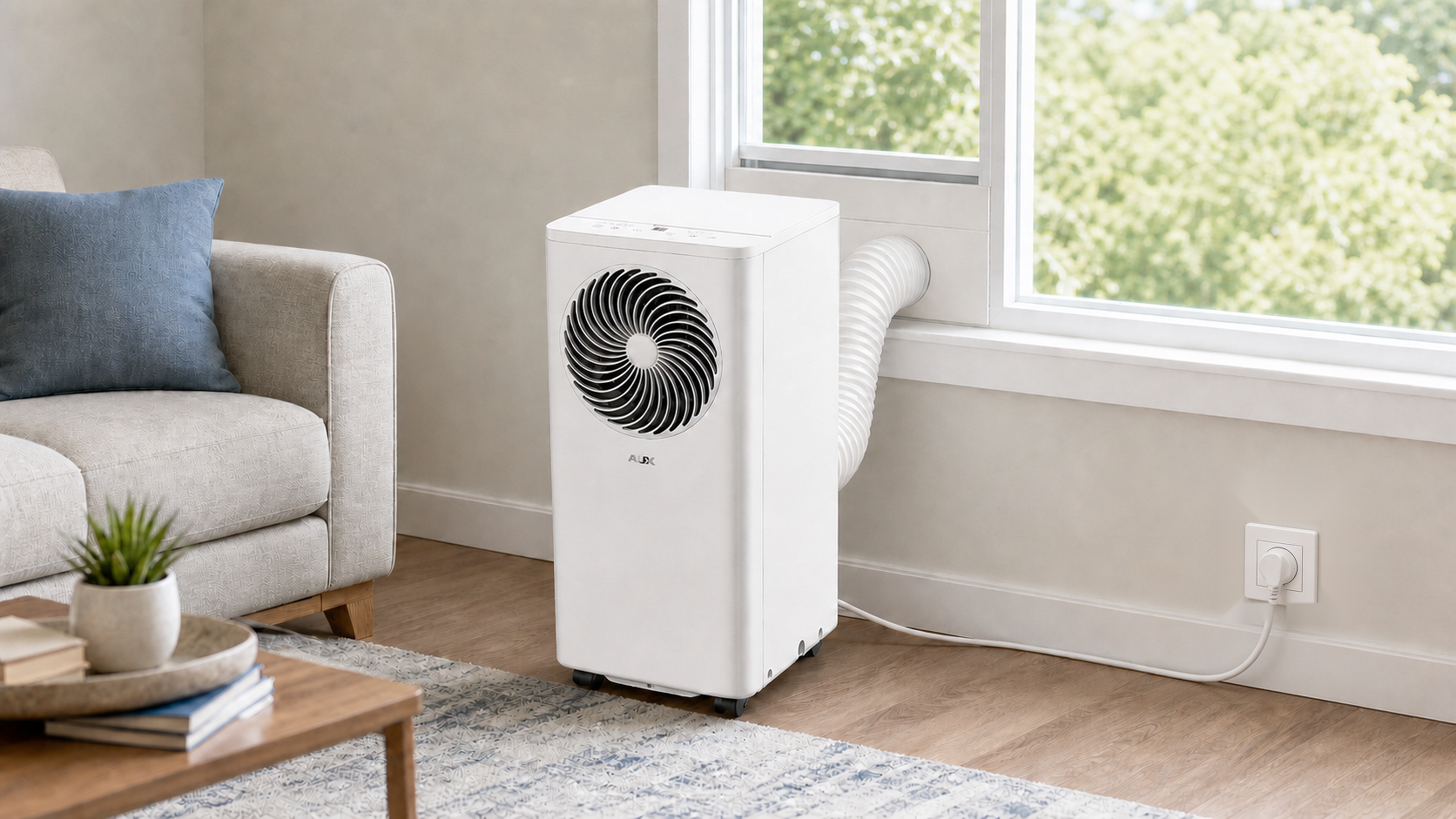
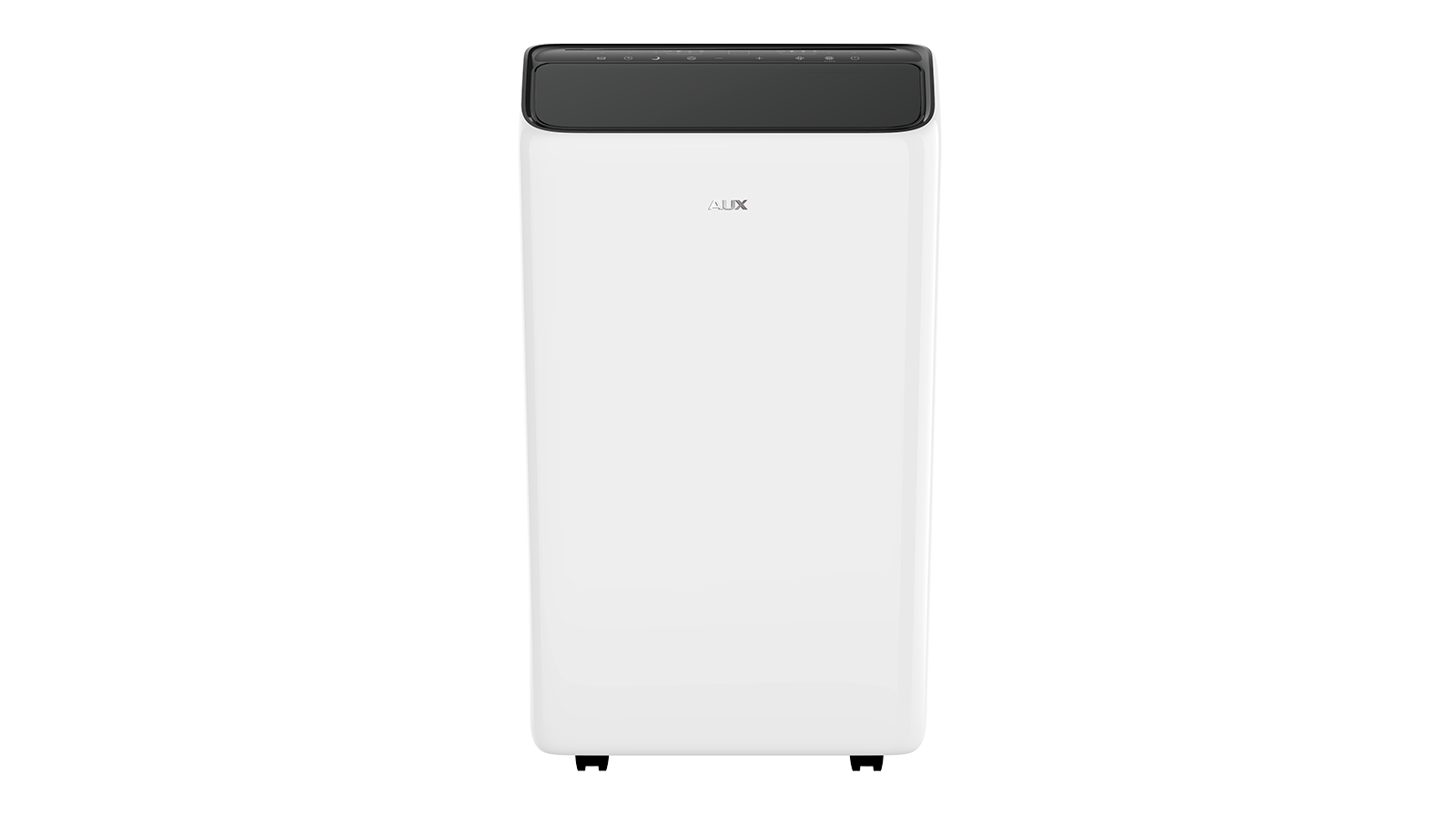
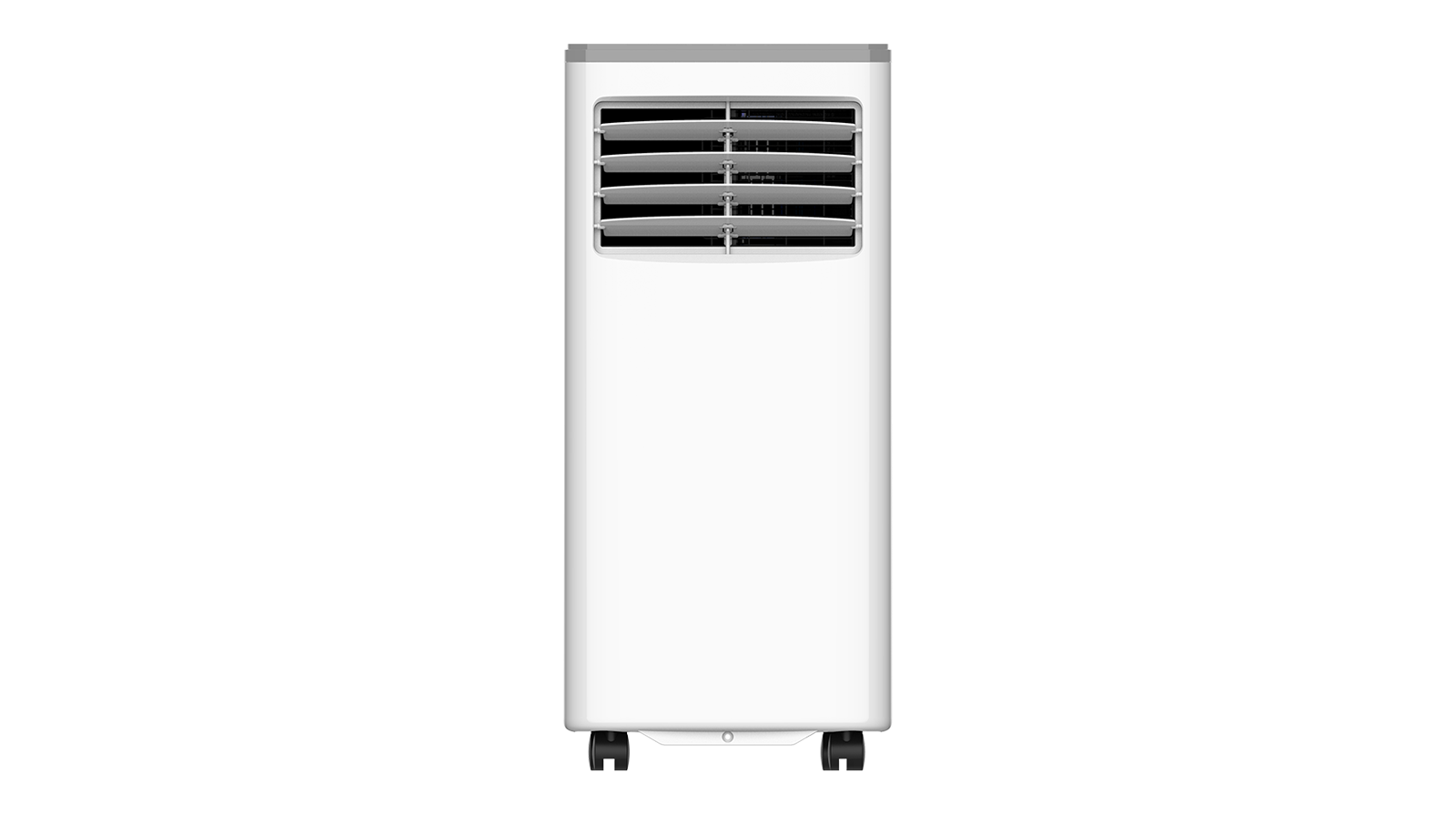
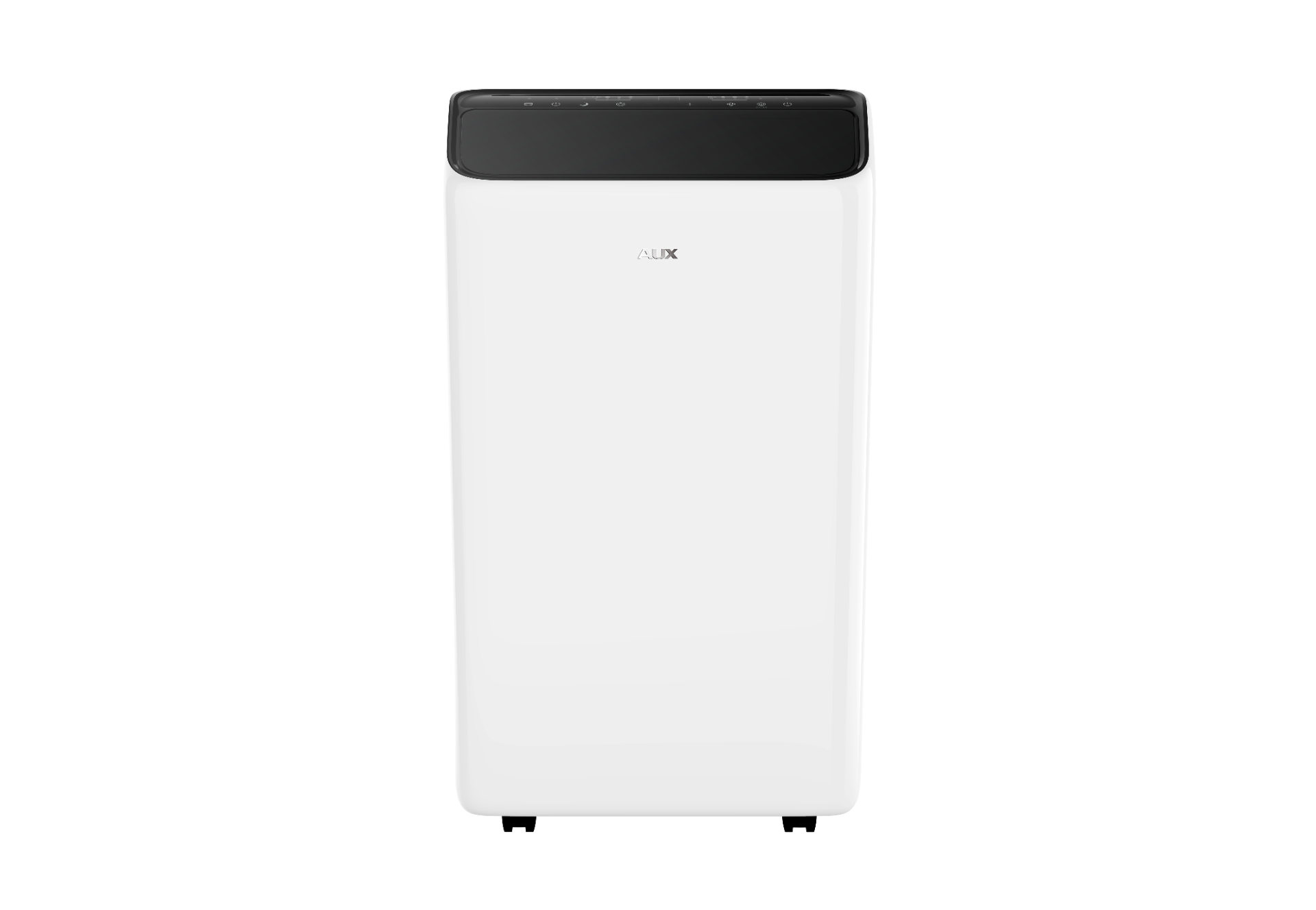
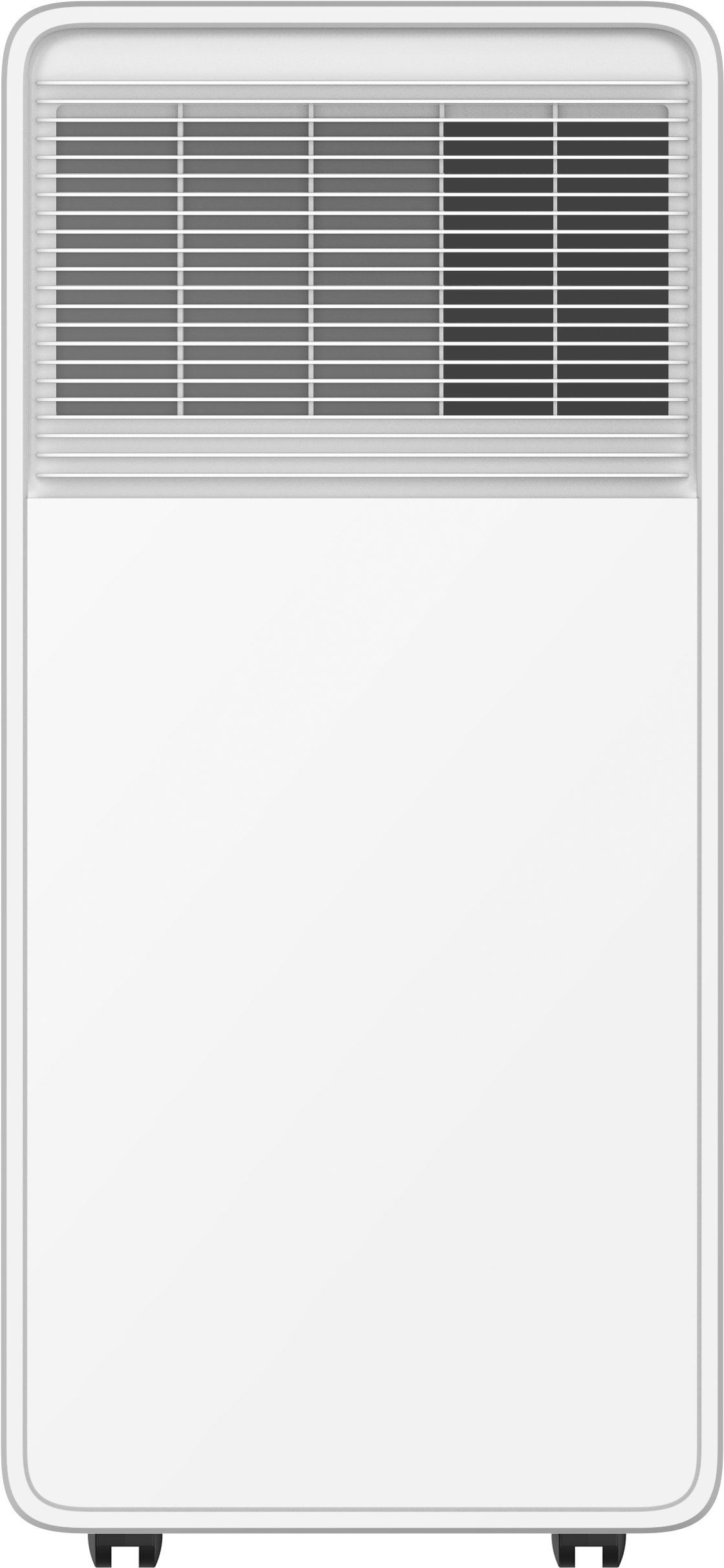
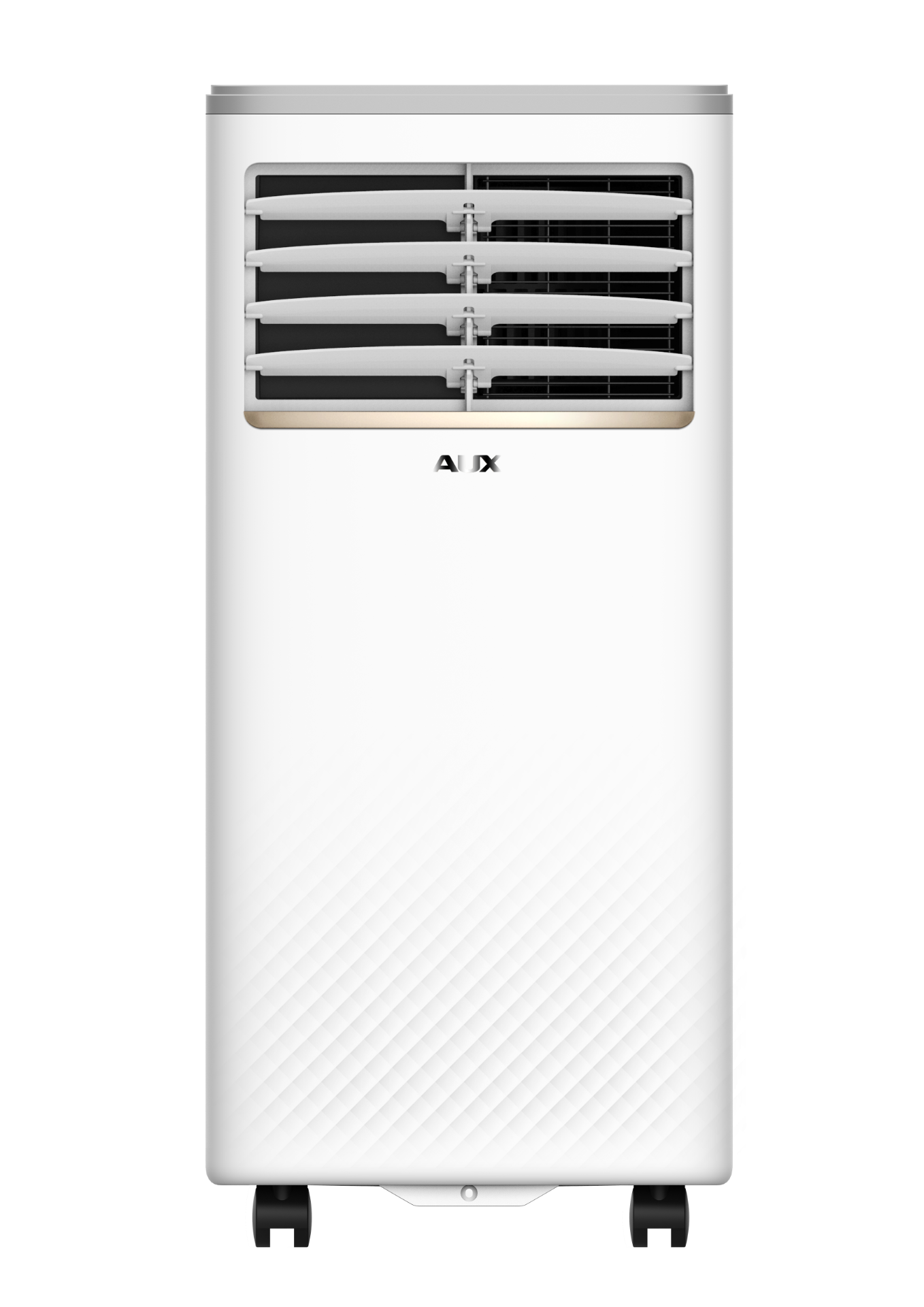
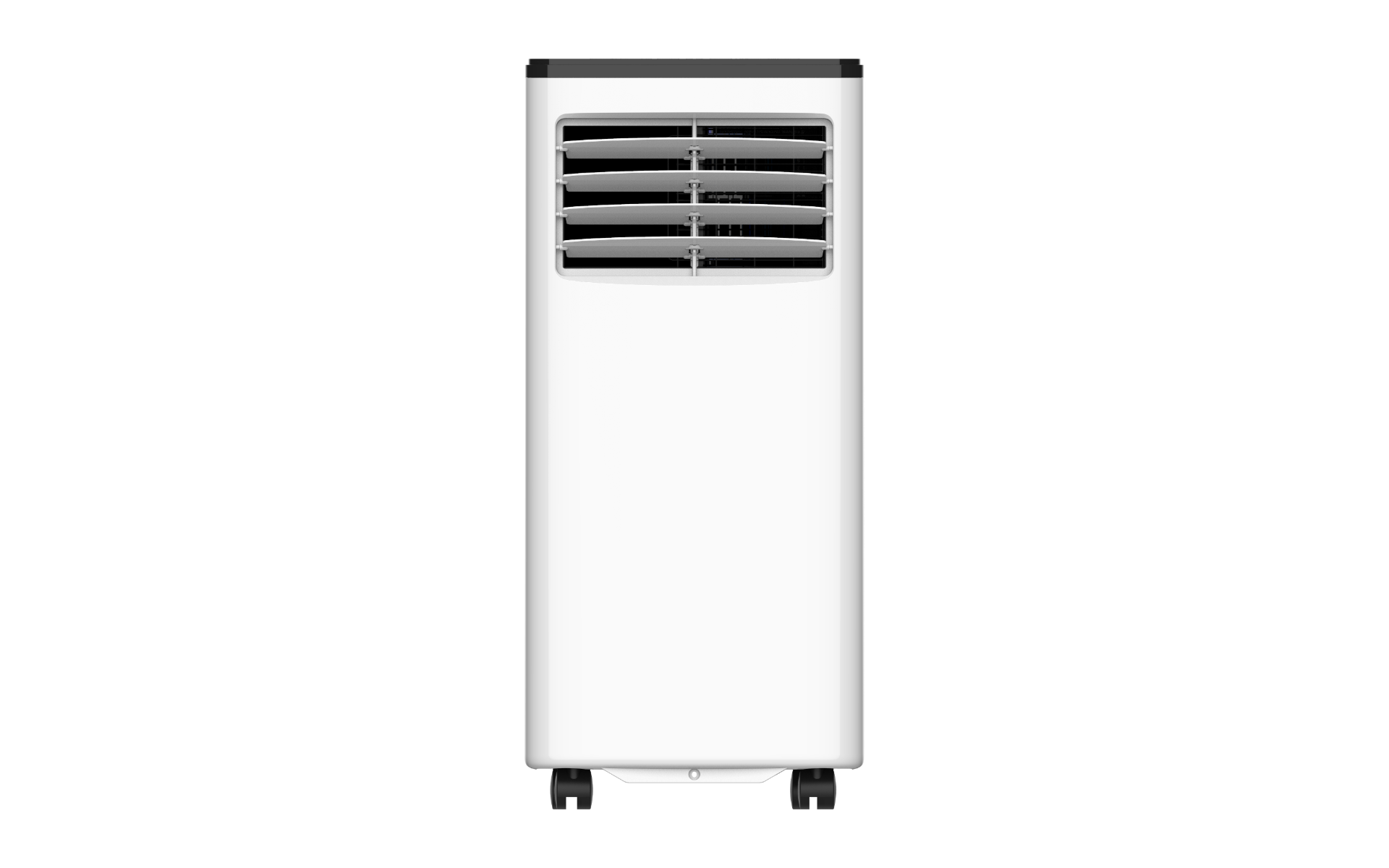
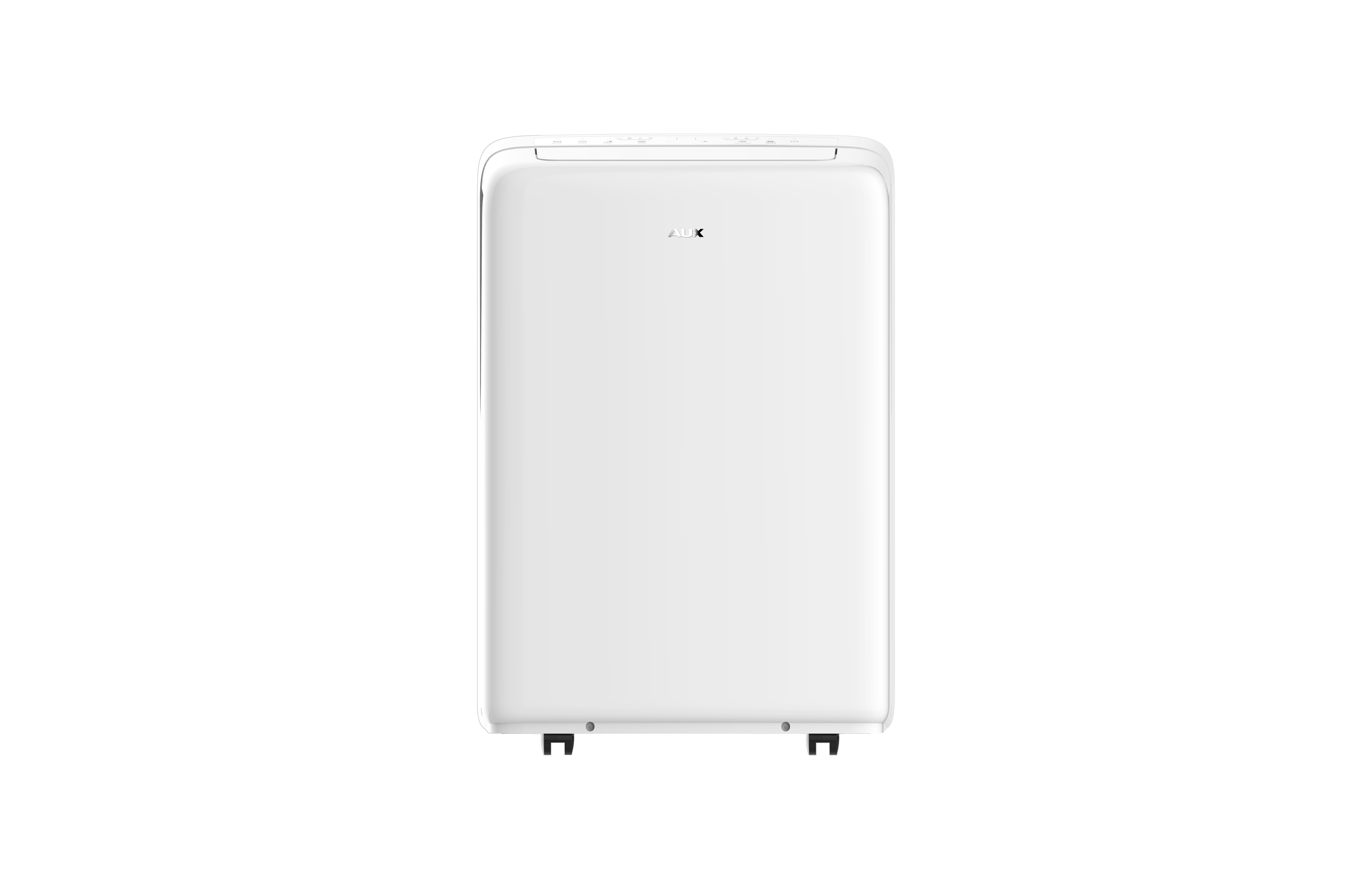
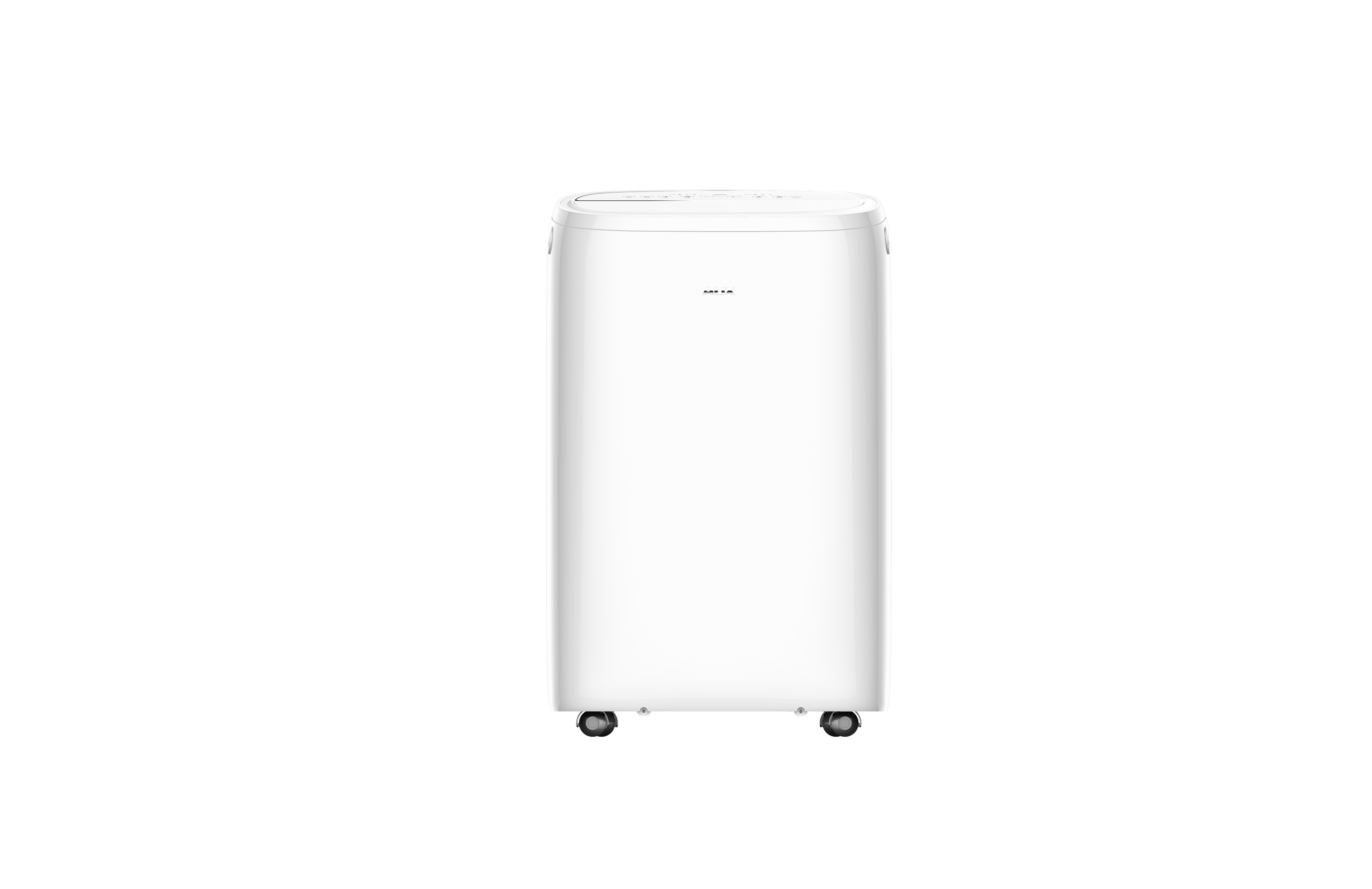
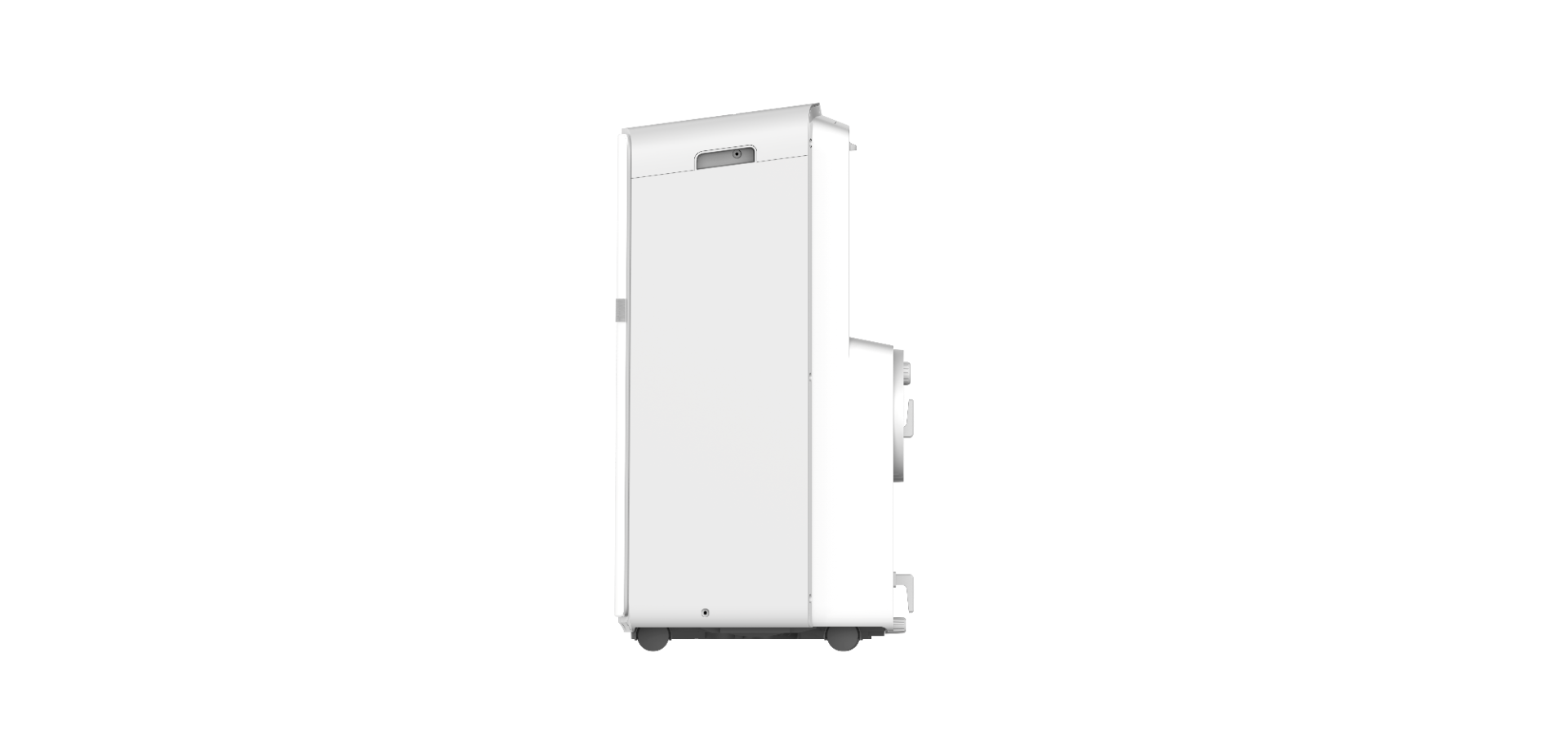
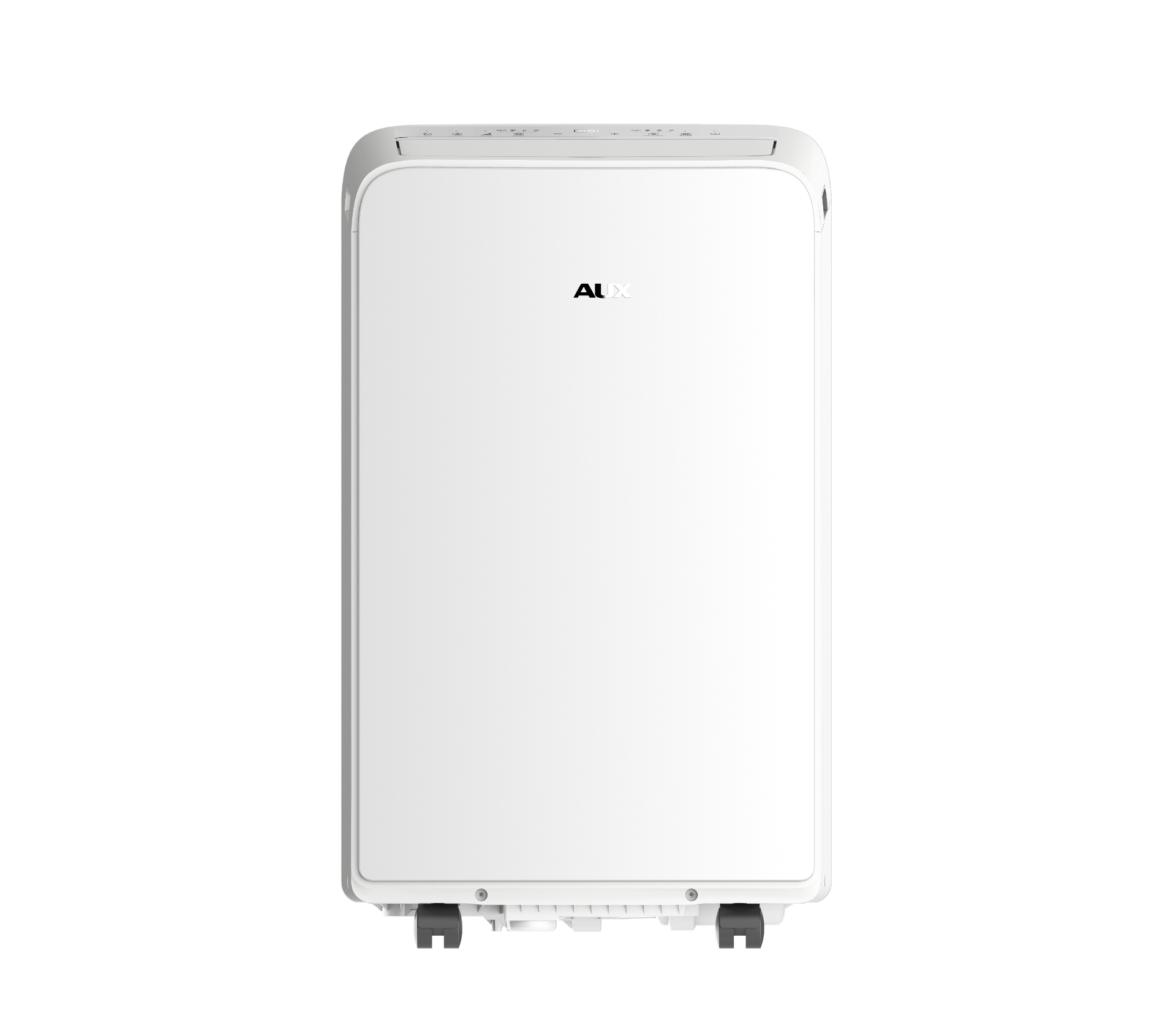
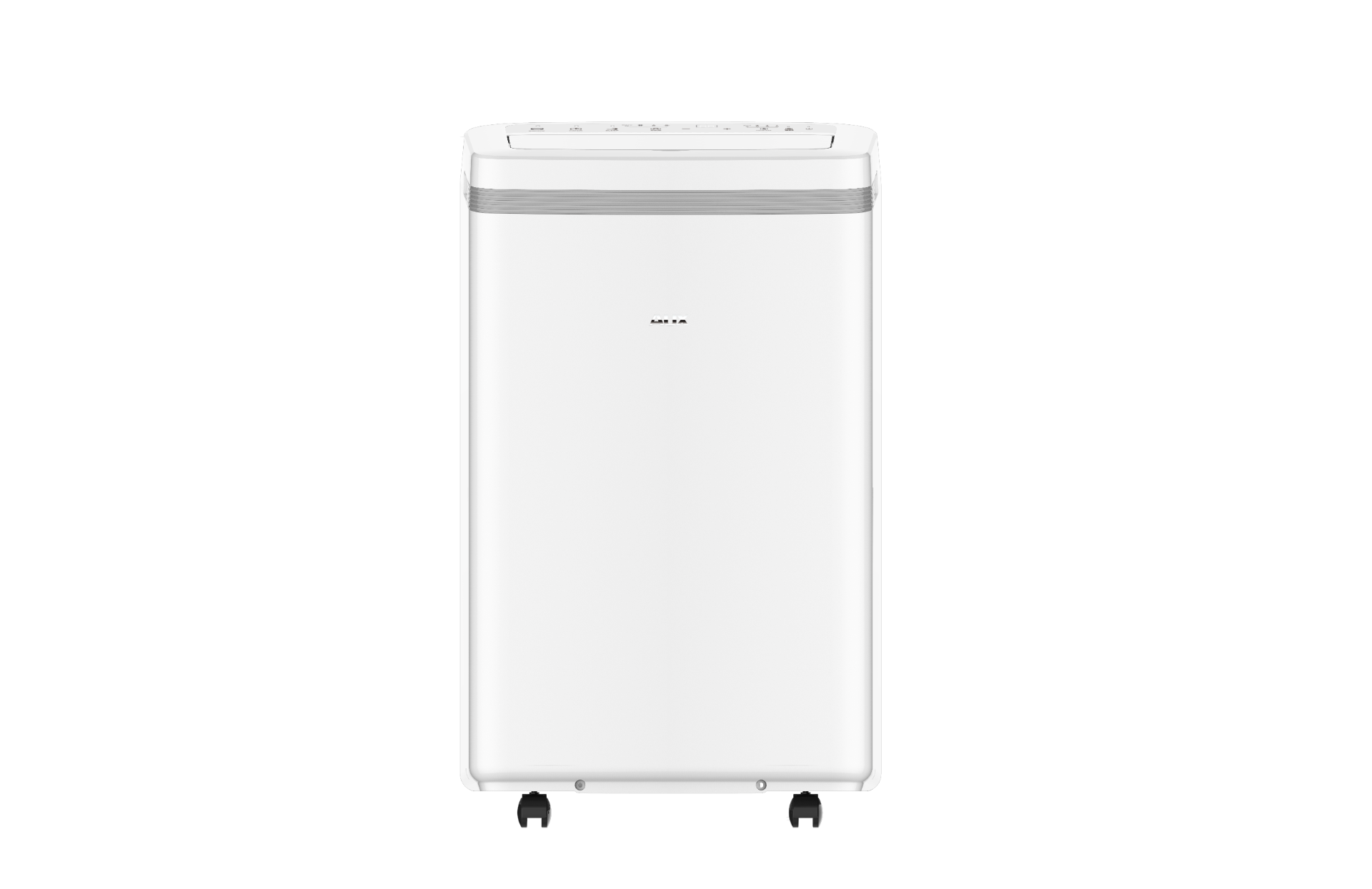
A portable AC is a self-contained cooling unit that sits on the floor, plugs into a standard outlet, and vents heat outside through a hose. No wall drilling, no professional installation, no permanent changes to your home.
The core idea is simple: cool air is delivered from the indoor vent, while hot air is expelled through the exhaust hose. That hose is non-negotiable — without it, the heat just stays in the room.
Want a deeper breakdown of how it works, its benefits, and how to choose the right model? Check out our full guide here.
How to Install a Portable Air Conditioner
Installation is straightforward, but a few small mistakes can tank your cooling performance before you even start. Here's how to do it right the first time.
What you'll need before you start
- A nearby wall outlet
- A window for venting
- The window kit that came with your unit
- About 15-20 minutes
One thing people underestimate: hose placement. Most exhaust hoses are only 1.5 metres long. Don't plan on putting the unit across the room from the window — it won't reach. Stretching the hose increases internal resistance, which may affect airflow and reduce cooling performance.
Step-by-step installation
1. Position the unit near the window
Position the unit close enough to the window so that the hose can reach comfortably, with a little spare length. Keeping the hose shorter and straighter is always better — every bend slows down hot air flow and increases exhaust resistance, which may affect cooling performance.
2. Install the window kit
Slide the window kit into your window opening and adjust it to fit snugly. The goal is a sealed gap, not a loose fit. Hot air escaping back inside defeats the whole purpose.
3. Attach the exhaust hose
Connect one end to the back of the unit and the other to the window kit connector. Give both ends a firm twist to make sure they're locked in — loose connections let warm air seep back in.
4. Sort out the drainage
Portable ACs pull moisture out of the air, but that moisture still has to go somewhere. Most modern units have auto-evaporation: moisture is expelled through the exhaust hose, extending continuous runtime. How often you'll need to drain the unit isn't fixed —— in dry conditions it may run for many hours before requiring drainage; in humid weather, water can accumulate much faster and may need to be emptied every few hours. When the water tank is full, the unit will typically display a P1 code to let you know it's time to drain it.
Check your window kit edges too — if you can see daylight through any gaps, the seal is not tight enough, and warm air may leak back into the room. Foam weather stripping from any hardware store fixes this cheaply and makes a noticeable difference in cooling.
5. Power on and test
Plug directly into the wall outlet, switch it on, and give it 5-10 minutes. You should feel cold air from the front vents and warm air exhausting outside. If the room doesn't start cooling within 15-20 minutes, double-check your hose connections and window seal.
Common mistakes to avoid
Even a good unit will underperform if installed incorrectly. Watch out for:
- Stretching the hose longer than recommended (usually no more than 1.5 metres)
- Kinking or making sharp bends in the hose
- Blocking the air intake or exhaust vents with any objects
- Leaving gaps around the window kit without sealing
Frequently Asked Questions (FAQ)
Usually, yes — for a typical bedroom. A 9,000 Btu/h unit handles roughly 8-12 square metres (85-130 sqaure feet) comfortably. But room size isn't the whole story. If your bedroom gets direct afternoon sun, has high ceilings, or sits on the top floor with a hot roof above it, you'll likely want to go up to 12,000 Btu/h. The square footage estimate assumes average conditions, depending on room layout, insulation, ceiling height, sunlight exposure, local climate and other environmental factors, and bedrooms often aren't average.
No — and it's worth understanding why, not just taking it on faith. Portable ACs don't create cold air out of nothing. They move heat from inside your room to outside. If the exhaust hose isn't venting that heat outdoors, it just dumps it right back into the same room. You'd essentially be running a heater and an AC at the same time. The room won't cool down, and you'll only waste electricity.
During heavy usage periods, it's recommended to check the filter every two weeks and clean it whenever you see visible dust buildup. If you have pets or live somewhere dusty, that might mean once a week. A clogged filter is the most common reason a portable AC starts underperforming — it's also the easiest fix. Most filters just rinse under running water and air dry completely before reinstalling.
Disclaimer: Installation requirements, operating procedures, drainage frequency and performance may vary depending on the model and operating environment. Please refer to the applicable product manual and safety instructions provided with your unit.